

How to Choose the Ideal Solitaire Engagement Ring for Your Special Day
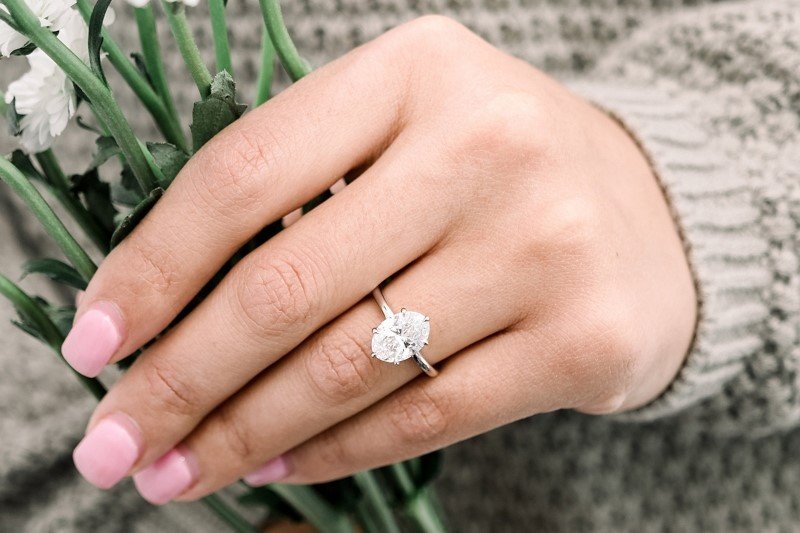
When it comes to proposing to the love of your life, the engagement ring you choose is more than just a piece of jewellery; it’s a symbol of your commitment, love, and the promise of a beautiful future together. Among the many engagement ring styles available, the solitaire engagement ring remains one of the most popular and timeless choices. Its simple yet elegant design showcases a single centre diamond, making it a stunning choice for those who appreciate classic beauty. If you’re planning to propose and are considering a solitaire engagement ring, this guide will help you understand how to select the perfect one for your partner. From understanding the fundamentals of the ideal solitaire engagement ring design to selecting the best engagement rings the UK has to offer, we’ll walk you through every step of the process to ensure that your ring is as special and unique as the love it represents.
Table of Contents
What Is a Solitaire Engagement Ring?
A solitaire engagement ring is a classic and elegant design featuring a single centre diamond or gemstone, set in a band. The term “solitaire” refers to the single stone, which is the main focal point of the ring. The minimalist design of the solitaire engagement ring allows the diamond to shine without distraction, making it a perfect choice for someone who prefers timeless simplicity. The ring’s clean, elegant lines and the emphasis on the centre stone make it a versatile choice that complements any style, whether your partner prefers traditional or modern jewellery.
Why Choose a Solitaire Engagement Ring?
Before diving into the specifics of how to choose the ideal solitaire engagement ring, it’s important to understand why so many couples opt for this design.
- Timeless Elegance The solitaire engagement ring is the epitome of timeless beauty. It never goes out of style and can be passed down through generations. Its simplicity allows it to work seamlessly with a wide range of wedding bands and other diamond jewellers, making it a versatile option that can easily adapt to evolving tastes over time.
- Focus on the Centre Stone With no additional diamonds or intricate designs to distract from the main feature, the solitaire engagement ring ensures that all eyes are on the centre stone. This design is ideal for those who want the diamond to be the centre of attention.
- Simplicity and Elegance Some individuals appreciate the understated beauty of a single stone set in a sleek band. The simplicity of the design conveys a sense of elegance and sophistication, and for many, less truly is more.
- Value for Money A solitaire engagement ring is typically more affordable than more complex multi-stone designs, which can allow you to invest more in the quality of the centre diamond. With a solitaire engagement ring, you get the best value for your money, with the focus placed squarely on the centre diamond.
Steps to Choose the Ideal Solitaire Engagement Ring
Choosing the right solitaire engagement ring involves several key factors, from selecting the diamond to choosing the right setting. Here’s a detailed breakdown of the steps to ensure you make the perfect choice for your special day.
1. Set a Budget
The first step in choosing your ideal solitaire engagement ring is determining your budget. Engagement rings, particularly those with high-quality diamonds, can be a significant investment. It’s important to decide upfront how much you are willing to spend, as this will guide all your decisions moving forward.
Your budget will influence your choice of diamond quality (cut, colour, clarity, and carat weight), the type of metal for the band, and even the overall design of the ring. While many people follow the “two-month salary rule,” the ideal budget is comfortable for you and fits your financial situation.
2. Understand the Four Cs of Diamonds
The centrepiece of a solitaire engagement ring is, of course, the diamond. When selecting the right diamond, it’s essential to understand the “Four Cs” that determine a diamond’s quality: cut, colour, clarity, and carat weight.
- Cut: The cut is perhaps the most important factor in determining a diamond’s beauty. A well-cut diamond will exhibit brilliant sparkle and fire, whereas a poorly cut diamond can appear dull, regardless of its size or clarity. There are various cuts to choose from, such as round, princess, emerald, or oval. Each cut has a unique appearance, and your choice should reflect your partner’s taste.
- Colour: Diamonds come in a range of colours, from completely colourless (Grade D) to yellow or brownish hues (Grade Z). The more colourless the diamond, the more valuable it is. For a classic solitaire engagement ring, diamonds with a colour grade of D-H are usually considered the best, as they are nearly colourless and will appear bright and clear.
- Clarity: Clarity refers to the number and visibility of inclusions (internal flaws) or blemishes (external flaws). Diamonds with fewer inclusions are rarer, making them more valuable. However, many inclusions are microscopic and invisible to the naked eye, so you can often opt for a slightly lower clarity grade without compromising the diamond’s overall appearance.
- Carat Weight: Carat weight is a measure of the size of the diamond. While larger diamonds are typically more expensive, carat weight is only one factor in the overall quality of the stone. You may find that a slightly smaller diamond with a superior cut and clarity offers better value and more brilliance than a larger, lower-quality stone.
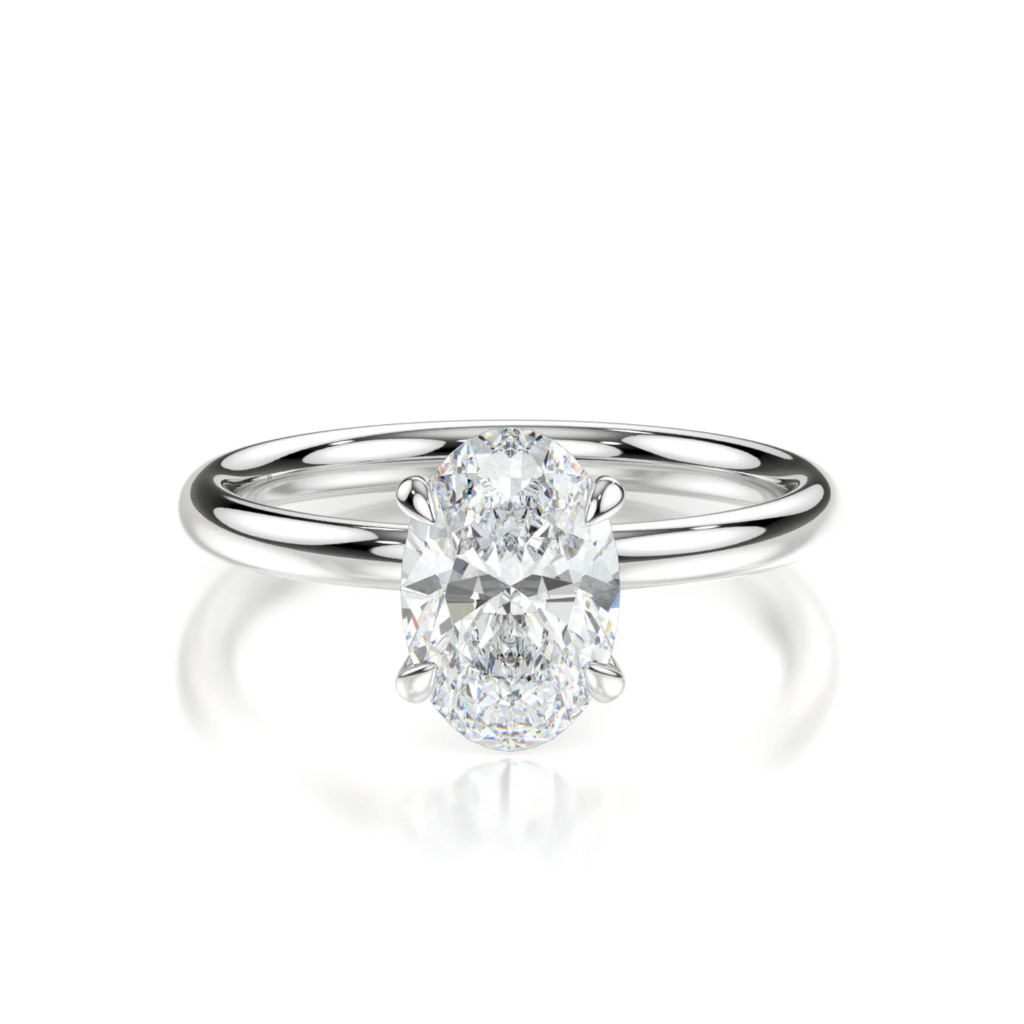
3. Choose the Right Metal for the Band
Once you’ve selected the diamond, it’s time to choose the metal for the band. The metal you choose will affect the overall look of the solitaire engagement ring and should complement the diamond as well as your partner’s style.
Common metal options for solitaire engagement rings include:
- Platinum: Known for its durability and silvery-white appearance, platinum is a popular choice for engagement rings. It’s hypoallergenic and resistant to tarnishing, making it an excellent choice for those with sensitive skin.
- White Gold: Offering a similar appearance to platinum but at a more affordable price point, white gold is a versatile choice. It is usually plated with rhodium to give it a high-shine finish, though the plating may need to be reapplied over time.
- Yellow Gold: The classic yellow gold band is warm and traditional. It’s particularly flattering for diamonds with warmer tones, as it complements the stone’s hue.
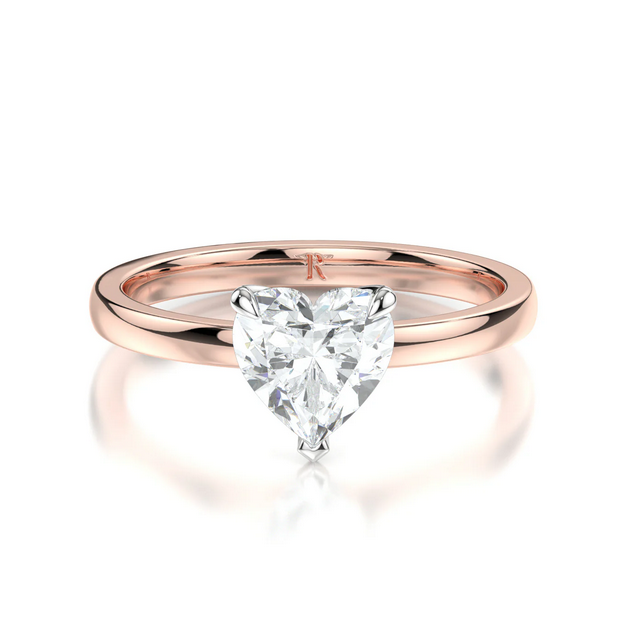
- Rose Gold: With its romantic pinkish hue, rose gold has become increasingly popular in recent years. It offers a vintage feel and pairs beautifully with both white and coloured diamonds.
Each metal has its unique appeal, so consider your partner’s style and any jewellery preferences they might have when making your decision.
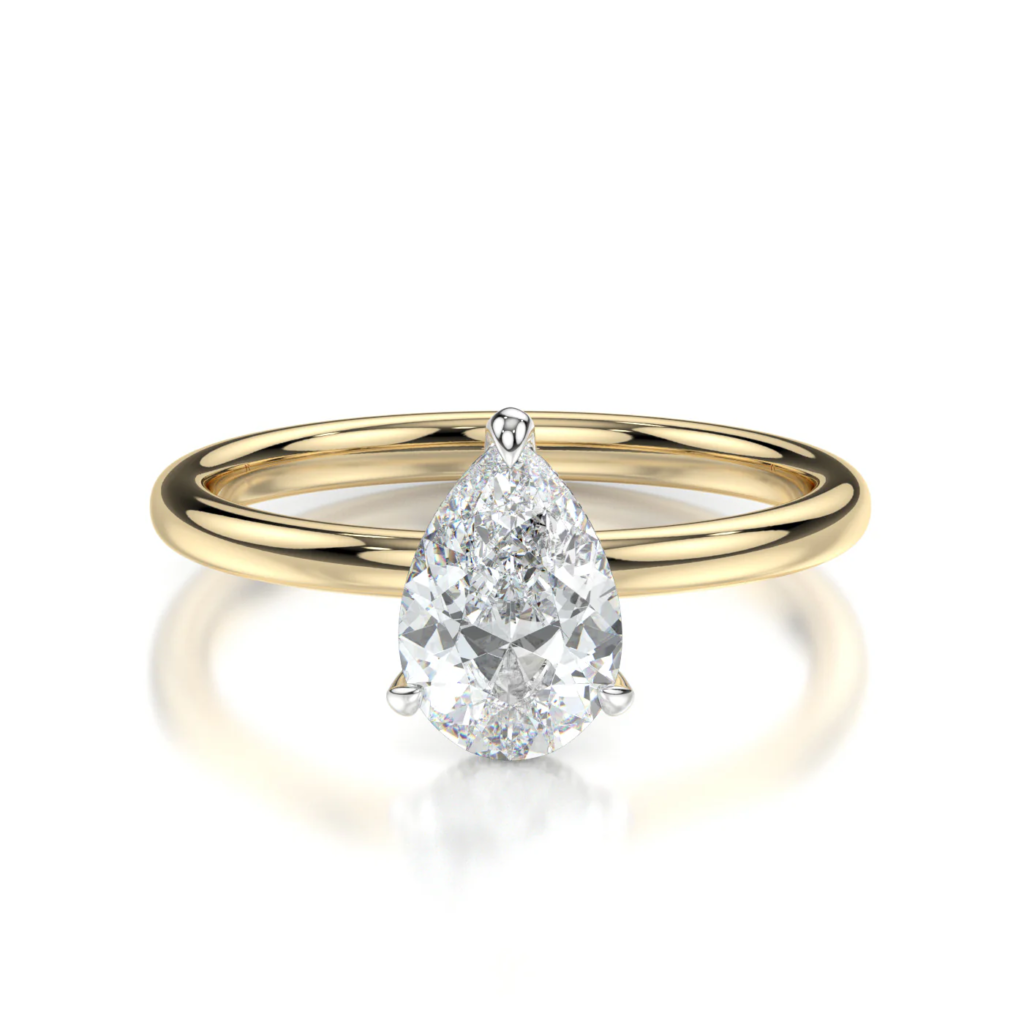
4. Select the Setting Style
The setting is the way the diamond is mounted in the band. The setting plays an important role in the overall look and security of the diamond. In solitaire engagement rings, the setting is typically a simple prong or bezel design, though there are variations to consider:
- Prong Setting: The most common setting for solitaire engagement rings, the prong setting uses small metal claws to hold the diamond in place. This setting allows maximum light exposure, which enhances the diamond’s sparkle.
- Bezel Setting: A bezel setting encircles the diamond with a metal rim, offering a modern, sleek appearance. While this style offers more protection for the diamond, it can reduce the amount of light the stone receives, resulting in less brilliance compared to a prong setting.
- Tension Setting: This modern setting holds the diamond in place with pressure rather than prongs or a bezel. It creates the illusion that the diamond is floating within the band, giving the ring a very contemporary look.
5. Consider Your Partner’s Style
The most important factor in choosing the perfect solitaire engagement ring is considering your partner’s style. Does your partner prefer classic, timeless jewellery, or are they more drawn to modern, minimalist designs? Pay attention to their existing jewellery preferences to get an idea of the style they would appreciate.
Additionally, consider their lifestyle. If your partner is active or works with their hands, a more secure setting such as a bezel or low-profile prong setting, may be the best choice.
6. Work with a Trusted Jeweller
Finally, work with a reputable jeweller who can guide you through the process of selecting your solitaire engagement ring. A knowledgeable jeweller can help you understand the nuances of the diamond’s quality, make sure your ring is crafted to the highest standards, and even offer advice on customisation options if you want to add a personal touch.
Conclusion
Choosing the perfect solitaire engagement ring for your proposal is an exciting and meaningful decision. The solitaire design offers timeless elegance and beauty, making it a stunning choice for any proposal. By understanding the Whether you are searching for engagement rings UK or a local jeweller to craft your solitaire engagement ring, the process of selecting and customising the perfect ring will make your proposal even more memorable. Take your time, do your search, and choose a ring that truly represents your love story.
 Are Cabins in Lake Louise a Good Choice for a Romantic Getaway?
 What to Know About Getting Emergency Roadside Help in Santa Ana
 Chiropractic Wellness Centers Help You Live a Pain-Free Life
 How to Compare Local Car Towing Services for Safe Vehicle Transport