

Why Patchy Grass Makes Weed Control in Regina More Difficult
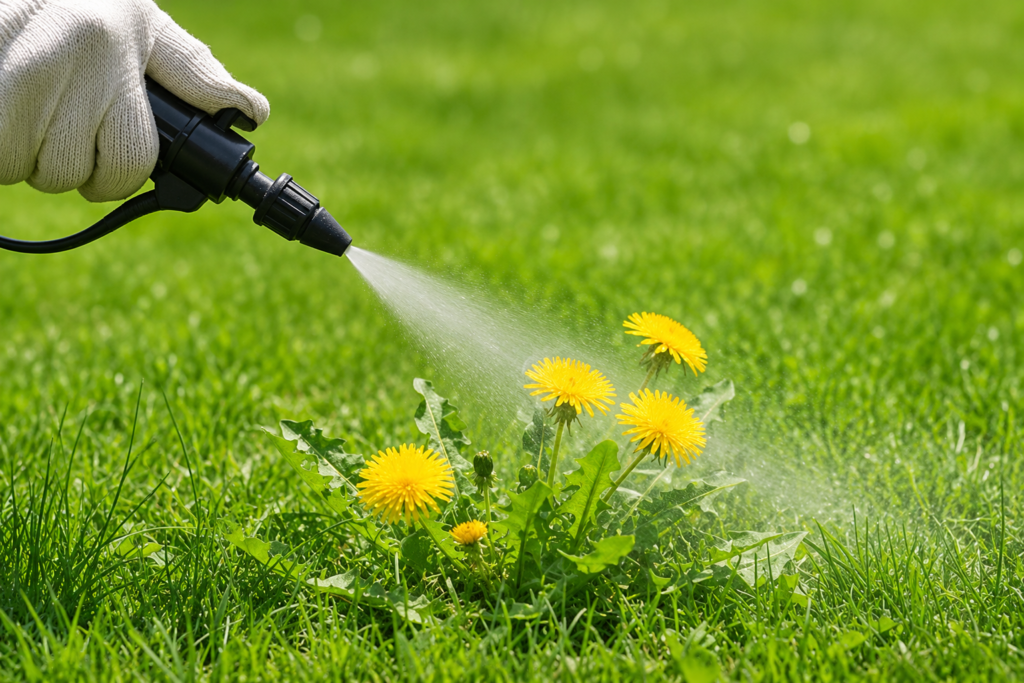
A healthy lawn does more than improve a property’s appearance. Thick, well-established grass helps prevent unwanted plants from spreading across open spaces. However, when bare patches develop, weeds can quickly take advantage of the exposed soil. This makes weed control in Regina more challenging for homeowners trying to maintain an attractive outdoor space.
Table of Contents
- Why Does Patchy Grass Encourage Weed Growth?
- Common Causes of Patchy Lawns in Regina
- How Patchy Grass Complicates Weed Treatment
- Practical Ways to Restore Thick, Healthy Grass
- Why Seasonal Lawn Maintenance Matters
- Conclusion
Regina’s changing seasons, dry summers, and cold winters can stress residential lawns. Understanding why grass becomes patchy and how to restore healthy growth can help homeowners reduce weed problems. With the right maintenance habits, you can encourage stronger turf and prevent recurring lawn damage.
Why Does Patchy Grass Encourage Weed Growth?
Patchy grass creates open areas where sunlight, moisture, and nutrients become available to unwanted plants. Unlike a dense lawn, which limits space for weed seedlings, thin turf leaves soil exposed and gives weeds opportunities to establish themselves.
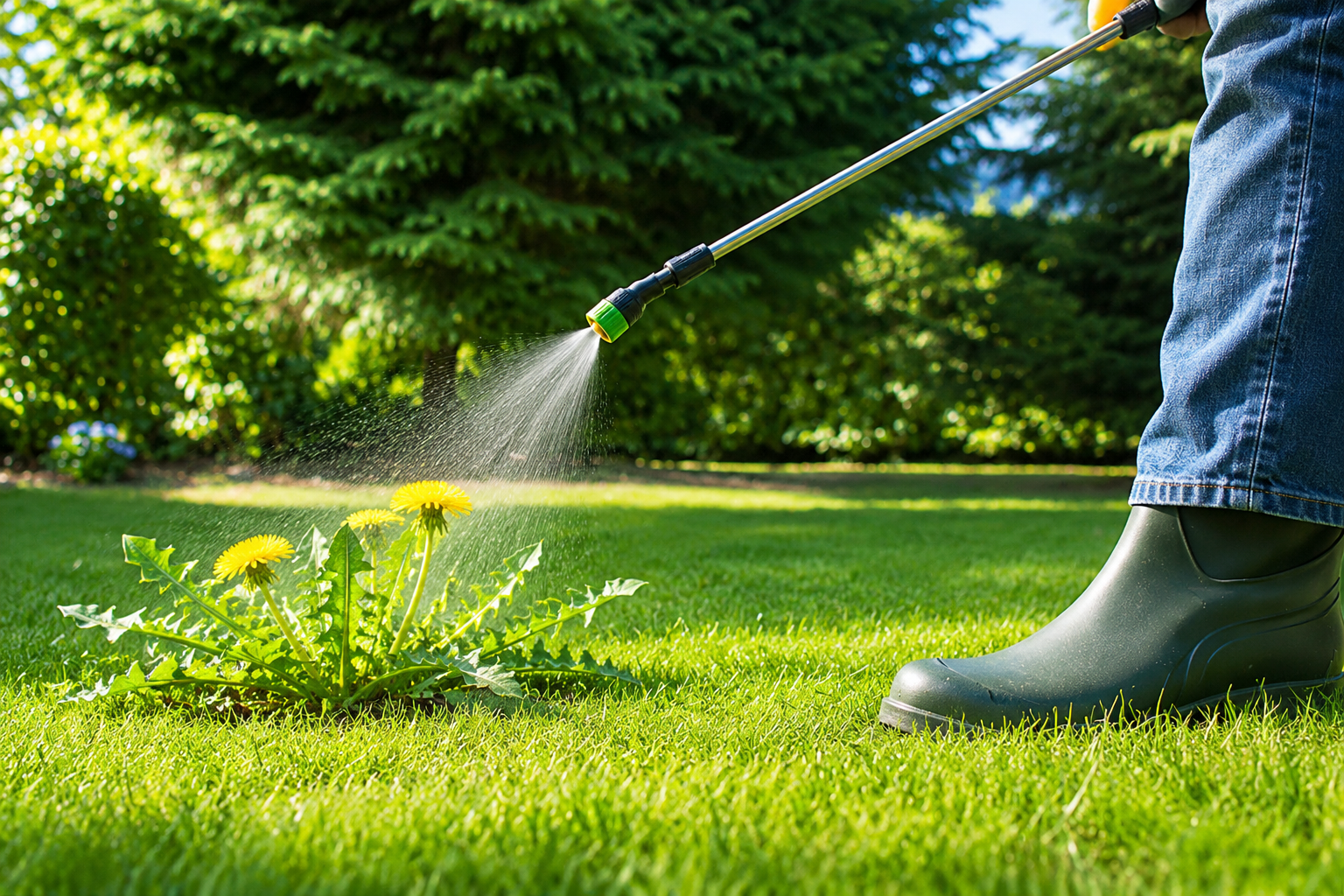
Common lawn weeds, including dandelions and plantain, can take advantage of these conditions. Once established, they may compete with nearby grass for essential resources. Over time, untreated patches can become larger, making lawn restoration more demanding.
For homeowners considering weed control in Regina, improving grass density is an important part of long-term weed prevention. Removing weeds without addressing weak turf may lead to repeated problems because the underlying conditions remain unchanged.
Common Causes of Patchy Lawns in Regina
Soil Compaction and Poor Root Development
Compacted soil makes it difficult for grass roots to grow deeply and absorb water efficiently. Heavy foot traffic, outdoor furniture, and repeated use of the same lawn areas can gradually reduce the spaces between soil particles.
When roots cannot develop properly, grass may become thinner and more vulnerable to stress. Core aeration can help relieve compaction by creating small openings that allow air, moisture, and nutrients to move into the soil.
Inconsistent Watering During Dry Weather
Regina can experience extended periods of warm, dry weather during the growing season. Without sufficient moisture, grass may become dormant, lose its green colour, or develop thin areas.
Frequent, shallow watering can also encourage roots to remain near the soil surface. Water deeply when needed, while following local watering restrictions, to support better root development and improve the lawn’s ability to tolerate dry conditions.
Winter Damage and Seasonal Stress
Cold temperatures, ice accumulation, and prolonged snow cover can affect grass health. Winter injury may become noticeable during spring when certain areas fail to recover as quickly as surrounding turf.
Homeowners arranging snow removal in Regina should also consider how snow piles affect landscaped areas. Repeatedly placing large amounts of snow containing road salt or debris on grass may contribute to spring lawn damage.
Tired of dealing with patchy grass and unwanted weeds? Let Green Drop Lawns Ltd help you achieve a healthier, greener lawn with reliable weed control services in Regina. Call 1-877-647-3366 to get started today!
How Patchy Grass Complicates Weed Treatment
Treating weeds in areas with thin grass requires more than eliminating unwanted plants. If the underlying soil remains exposed, new weeds may germinate and occupy the same spaces. Different weed species also respond to different management approaches. Broadleaf weeds, grassy weeds, and established perennial weeds may require separate treatment strategies. Accurate identification helps homeowners choose suitable methods instead of applying unnecessary products.
Professional weed control in Regina may involve evaluating weed types, turf condition, and factors that contribute to weak growth. At Green Drop Lawns Ltd, lawn maintenance services can be considered as part of a broader approach to managing weeds and supporting healthier grass.
Practical Ways to Restore Thick, Healthy Grass
Restoring a patchy lawn means correcting conditions that prevent consistent growth. Effective maintenance should focus on soil quality, suitable grass varieties, and seasonal care, not weed treatments alone.
Homeowners can support recovery through several practical steps:
- Overseed thin areas: Add grass seed suited to Regina’s climate and your lawn’s current conditions.
- Improve soil conditions: Use core aeration where compaction is restricting healthy root growth.
- Maintain proper mowing height: Avoid cutting grass too short, especially during hot or dry periods.
- Water consistently: Adjust watering according to rainfall, soil moisture, and seasonal conditions.
- Monitor weed activity: Identify new weeds early before they spread into surrounding turf.
- Correct bare patches: Address drainage, shade, or soil problems before reseeding affected areas.
These practices help grass establish stronger roots and fill areas where weeds might otherwise take hold.
Why Seasonal Lawn Maintenance Matters
Spring Lawn Recovery
Spring is an important time to assess winter damage and identify areas that need attention. Homeowners should inspect their lawns for bare soil, compacted sections, and uneven grass growth before beginning restoration.
Maintaining a healthy lawn begins with checking soil moisture, clearing away seasonal debris, and identifying areas that may benefit from overseeding. Proper lawn care in Regina also means letting waterlogged soil dry before mowing or heavy foot traffic, which helps prevent compaction and supports stronger grass growth.
Summer Growth and Weed Prevention
Summer maintenance should focus on protecting existing grass from unnecessary stress. Proper mowing, thoughtful watering, and early weed identification can support healthier turf during warm weather. For properties with recurring bare patches, Green Drop Lawns Ltd is an option to consider when exploring professional lawn maintenance. Consistent attention to grass health may reduce opportunities for weeds to establish themselves.
Autumn Preparation and Winter Protection
Autumn provides an opportunity to repair damaged sections before winter. Early fall is often ideal for overseeding cool-season lawns because temperatures are milder and the soil may retain moisture more consistently. Homeowners planning snow removal in Regina should identify sensitive landscaped areas before winter arrives.
Where practical, keeping heavily salted snow away from vulnerable lawn sections may help limit additional damage. A consistent lawn care routine in Regina across the growing season supports stronger grass coverage and helps homeowners maintain their properties over time.
Frequently Asked Questions
Can bare lawn patches recover naturally?
Small patches may recover when surrounding grass spreads and growing conditions improve. However, larger bare sections often require reseeding, soil improvements, or additional maintenance.
Why do weeds return after treatment?
Weeds may return when exposed soil, compacted ground, or weak grass growth remains untreated. Correcting these conditions can help reduce future weed establishment.
Is overseeding useful for preventing weeds?
Yes. Overseeding can improve turf density, helping established grass occupy available soil space. Success depends on proper seed selection, moisture, and growing conditions.
Does mowing grass too short encourage unwanted plants?
Yes. Cutting grass excessively short can weaken turf and expose more soil to sunlight. Maintaining an appropriate mowing height helps grass remain healthier.
When should damaged lawn areas be repaired?
Early fall and spring are generally good times to repair cool-season lawns. The best timing depends on soil conditions, temperature, moisture, and the extent of the damage.
Conclusion
Patchy grass creates conditions that allow unwanted plants to establish and spread more easily. Addressing soil compaction, moisture problems, seasonal damage, and weak root development is essential for maintaining a healthier lawn.
Proper watering, overseeding, mowing, and regular maintenance can improve grass density and reduce recurring problems. By focusing on long-term turf health, Regina homeowners can create stronger, greener lawns that stay more resilient through changing seasons.
Struggling with patchy grass and recurring weeds in Regina? Find Green Drop Lawns Ltd on Google Maps for local lawn care support and solutions designed to improve grass health and manage unwanted weeds.
 Why Patchy Grass Makes Weed Control in Regina More Difficult
 Are Cabins in Lake Louise a Good Choice for a Romantic Getaway?
 What to Know About Getting Emergency Roadside Help in Santa Ana
 Chiropractic Wellness Centers Help You Live a Pain-Free Life